
The 64 hexagrams
Each hexagram is one function in one position: the function’s trigram stacked over the position’s trigram. The sixteen types hold 128 pairings in all, so each hexagram is shared by exactly two types. Eight hexagrams are doubled: function and seat share a trigram, and the pairing appears in pure form. Every reading also states the pairing’s two failure directions, too much control or too little; the loop between them is on the model page.

Dominant · ☰ below

The classical picture is a dragon climbing the sky in stages, from hidden to flying, with one stage too far at the top: initiative that must ripen, and can overreach.
Private conviction (Fi) sits in the dominant position for ISFP and INFP. Like hexagram 1, the Creative, their internal sense of what matters acts as a pure inspiring force that answers to no external authority; every other faculty works to serve this conviction.
Doubled: The function's trigram and the position's trigram are the same here, so the pairing comes in pure form. Like hexagram 1, the Creative, conviction acts as a pure inspiring force that ISFP and INFP live rather than merely hold.
Going well: Handled well, each conviction ripens in stages: kept private first, tested in practice, made public only when it is ready. The timing is treated as part of the truth.
Inflation (too much control): Gone rigid, the conviction overreaches its limit like the arrogant dragon: certainty hardens into inflexible self-righteousness, and the person can no longer hear any case against their own feeling.
Abdication (too little control): Overrun, the pure inspiring force is surrendered: they treat their own felt truth as suspect, perform opinions to fit the company, and allow their creative initiative to dissolve into whatever the environment demands.

The classical picture is clouds risen and rain not yet fallen: strength that must wait for conditions instead of forcing them.
Execution (Te) sits in the dominant position for ENTJ and ESTJ. Command is their native mode, but hexagram 5, Waiting, teaches that strength must bide its time. They must sustain inner sincerity and wait for conditions to ripen rather than forcing outcomes through sheer willpower.
Going well: Handled well, the commander halts relentless execution to actively nourish the organization. The waiting comes from settled confidence rather than anxiety, building strength and keeping morale until the right moment to cross the great water arrives.
Inflation (too much control): When rigid, they refuse to wait: the move is forced before its time because not commanding feels intolerable, and the crossing fails because it is premature.
Abdication (too little control): Overrun, waiting slides into surrender and inner sincerity is lost. The moment to cross the danger passes unclaimed, hesitation sinks into apathy, and the executive line dissolves.

The classical picture is wind crossing heaven, one small line restraining five strong ones, clouds gathered with no rain yet: great force held back by small persistent exactness.
Strict definition (Ti) sits in the dominant position for INTP and ISTP. Private logic governs their behavior, and its characteristic discipline is gentle restraint: they make no claims until small persistent exactness has checked the grand assertion.
Going well: Handled well, every ruling gets tested before it is voiced. The persistent small exactness restrains grand assertion until the claim is actually earned.
Inflation (too much control): Gone rigid, restraint becomes permanent silence: like gathered clouds where the storm never breaks, withheld judgment turns into a fortress.
Abdication (too little control): Overrun, the gentle restraint fails: the small cannot hold back the great, and sweeping declarations claim more than the framework can prove.

The classical picture is earth above heaven, the two moving toward each other: everything in productive contact, the good season.
Present contact (Se) sits in the dominant position for ESFP and ESTP. The actual room, the live moment, and the real situation govern their behavior. They dismiss abstractions so their inner drive and the outer world actively mingle, meeting the day while this passing season lasts.
Going well: Handled well, the small departs and the great approaches. The engagement is direct and free of anxiety, treating the good season of what is actually here as enough.
Inflation (too much control): Gone rigid, the good season is mistaken for a permanent state: its gifts get claimed as the self, and nothing is kept for the day the season turns.
Abdication (too little control): Overrun, they forget that peace is temporary and desert the present. Worry about an unseen future displaces the direct engagement that is their actual strength.

The classical picture is the sun at its zenith with one yielding line at the center of five strong ones: great possession held modestly.
The long reading (Ni) sits in the dominant position for INTJ and INFJ. Like hexagram 14, Possession in Great Measure, a single private picture directs their life. They use this vision as a sun at its zenith to illuminate situations, holding their great insight with a humble center.
Going well: Handled well, the vision is kept as stewardship: it lights what it touches, keeps a yielding center, and stays humble about what it passes on the way.
Inflation (too much control): Gone rigid, the sun refuses to set: the vision fuses with the ego, illumination turns into interrogation, and certainty replaces humility.
Abdication (too little control): Overrun, they fail to hold their greatness together. They surrender their sovereign illumination, trading the long view for the safer noise of consensus and present feeling.

The classical picture is heaven stored inside a mountain: great force held in firm, patient form until it is needed.
The archive (Si) sits in the dominant position for ISFJ and ISTJ. Like heaven stored inside a mountain, accumulated experience directs their behavior: they gather what worked before to build strength for future action.
Going well: Handled well, institutional memory and moral inheritance power the role: the accumulation is patient, and the big crossing succeeds when it comes because the means were stored in advance.
Inflation (too much control): Gone rigid, the mountain hardens: precedent overrides every fresh occasion, and the keeper of the standard only ever says no.
Abdication (too little control): Overrun, the firm structure fails to contain the stored power. Exceptions multiply, the standard bends case by case, and the accumulated strength dissipates to appease the immediate demands of the day.

The classical picture is thunder directly above heaven: great vigor at its peak, one step from forcing the issue.
Possibility (Ne) sits in the dominant position for ENTP and ENFP. Generating new options is their primary drive, an immense power like thunder above heaven. This great vigor risks blind overreach and requires the restraint of established order.
Going well: Handled well, this great power unites with rightness to advance practical progress. Many ideas stay in vigorous motion, balanced by the restraint of knowing which paths not to tread upon.
Inflation (too much control): Gone rigid, vigor claims everything: overreaching past health, relationships, and follow-through, spending power merely to prove power.
Abdication (too little control): Gone slack, the power is never claimed: safe rhetorical riffing that commits to no path, the storm that never strikes.

The classical picture is a lake risen all the way to heaven: accumulated waters about to break downward in one decisive release.
Group-feeling (Fe) sits in the dominant position for ESFJ and ENFJ. Reading and tending the shared feeling of a group drives their behavior, finding its highest expression when accumulated waters spill over as a decisive intervention on the community's behalf.
Going well: Handled well, accumulated warmth is shared rather than hoarded: the standing impasse is named and broken for everyone's sake, joining firmness to friendliness.
Inflation (too much control): Gone rigid, the break turns to enforcement: social capital is wielded as a weapon, harmony is forced onto the group, and dissent is cast out.
Abdication (too little control): Gone slack, the lake never rises: mood is managed instead of truth told, and the group is kept pleasant but never led.

Sub-dominant · ☲ below

The classical picture is flame rising to meet the open sky: fellowship formed in the open rather than in private factions.
Private conviction (Fi) sits in the sub-dominant position for ESFJ and ENFJ, directly under their group-feeling (Fe) dominant. As in hexagram 13, Fellowship with Men, a quiet personal standard supports their public warmth to build true community in the open.
Going well: Handled well, private conviction acts as a universal standard. This inner clarity organizes the clans and ensures their outward warmth creates true fellowship in the open.
Bolt (too much control): Gone rigid, the private conviction overrides the public warmth: preferences harden into factions, and the fellowship narrows to one loyal clan.
Drift (too little control): Gone slack, the inner conviction fails to provide a central harmonizing principle. Warmth is performed without clarity, lacking the universal concern needed to draw people together.

The classical picture is fire at the foot of the mountain: ornament that reveals the true shape of a thing instead of hiding it.
In hexagram 22, Grace, the archive (Si) sits in the sub-dominant position for ESFP and ESTP, directly under their present-contact (Se) dominant. Practiced routines act as a stable mountain, providing clarifying ornament that gives form to their immediate actions.
Going well: Handled well, remembered cases act as true grace. Stored form becomes an ornament that clarifies the live moment instead of obscuring it.
Bolt (too much control): Gone rigid, the stored form becomes false grace. Ritualized routine replaces the live moment, and the archive obscures substance instead of serving it.
Drift (too little control): Gone slack, memory feeds nothing back. Immediate action runs without grounding, producing a thin grace of quick flash over no stable body.

The classical picture is flame doubled on flame: light that lives by holding on to what feeds it.
The long reading (Ni) sits in the sub-dominant position for ENTP and ENFP, directly under their possibility (Ne) dominant. Like hexagram 30, The Clinging, a steady internal flame clings to their visible scatter of projects for fuel.
Doubled: The function's trigram and the position's trigram are the same here, so the pairing comes in pure form as fire above fire. ENTP and ENFP run deeper than their scatter suggests because this steady light clings to their outward exploration.
Going well: Handled well, the roaming has a hidden destination: one persistent long question acts as a steady flame that clings to the exploration for fuel, illuminating the outward search.
Bolt (too much control): Gone rigid, the flame clamps onto a single fuel and will not release it: one arc is declared final, and the scatter is conscripted to confirm it.
Drift (too little control): Gone slack, the flame is left untended: it flickers from fuel to fuel, clinging to nothing long enough to light anything, and the exploration turns directionless.

The classical picture is the light sunk under the earth: real brightness deliberately veiled to survive a difficult time.
Present contact (Se) sits in the sub-dominant position for ISFJ and ISTJ, directly under their dominant archive (Si). As in hexagram 36, Darkening of the Light, they use outward engagement to deliberately veil their inner clarity.
Going well: Handled well, they read the situation without self-display, keeping their brightness deliberately veiled until conditions allow their light to rise.
Bolt (too much control): Gone rigid, present reaction seizes the lead: every short-term pressure is answered instantly and in full, the veil is dropped, and quick response hardens into standing policy.
Drift (too little control): Gone slack, engagement stops feeding the keeper: the present is scanned without being read, watchfulness slides into gloom, and nothing observed reaches the archive.

The classical picture is wind issuing from fire, the hearth's warmth spread outward: an ordered household whose order reaches beyond it.
Strict definition (Ti) sits in the sub-dominant position for ENTJ and ESTJ, directly under their execution (Te) dominant. Like hexagram 37, The Family, they maintain an ordered interior household of logic that structures their public decisions.
Going well: Handled well, the interior logic functions as an ordered household. The outward directives agree with each other, bringing substance to the words and consistency to the execution.
Bolt (too much control): Gone rigid, the private theorist takes over. The internal system becomes a household so well ordered that it never opens its doors, stopping outward action as structure overrides command.
Drift (too little control): Gone slack, the hearth goes out: the inner logic loses coherence, and yesterday's orders contradict today's.

The classical picture is fire inside the lake: the old skin shed at the right season so the new form can emerge.
Group-feeling (Fe) sits in the sub-dominant position for ISFP and INFP, directly under their private conviction (Fi) dominant. In hexagram 49, Revolution, they shed their old skin to develop a readable public face, expressing inward convictions at the proper season.
Going well: Handled well, the conversion is timed like a necessary molt. What was kept inward matures, shedding its skin to become the song, cause, or work others can receive.
Bolt (too much control): When forced, public expression becomes a premature molt, sending out hollow forms before inner conviction has matured.
Drift (too little control): When slack, the molt never comes because the face idles: expression runs on social autopilot, conveying nothing of the conviction underneath, and the gift stays private by default.

The classical picture is thunder and lightning at high noon: peak illumination that is already passing, abundance to be used while it lasts.
Possibility (Ne) sits in the sub-dominant position for INTJ and INFJ, directly under their long-reading (Ni) dominant. Like hexagram 55, Abundance, they use a peak illumination of alternative options to support their focused vision while the moment lasts.
Going well: Handled well, the long view is fed by adjacent possibilities at peak illumination. The arc stays on course and the branches are seen at full brightness before the midday sun declines.
Bolt (too much control): When rigid, the side options seize the lead: every variant becomes a rival verdict, the alternatives override the long reading, and the survey hardens into a fortress of its own findings.
Drift (too little control): When slack, the options spin idly, glanced at and dropped, feeding nothing back: the flash passes unused, and the long reading is left unfed.
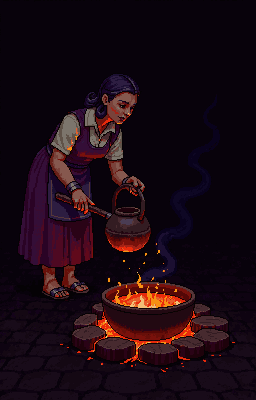
The classical picture is water over fire with every line in its proper place: the meal just cooked and already cooling, completion that will not stay complete.
Execution (Te) sits in the sub-dominant position for INTP and ISTP, directly under their strict definition (Ti) dominant. Following hexagram 63, After Completion, this capacity delivers private systems in perfect order while anticipating future disorder.
Going well: Handled well, the work is finished with future decay in mind: delivered with known weaknesses identified, it lasts because perfect order was completed with foresight of the disorder that follows it.
Bolt (too much control): Gone rigid, the finished system overrides its maker. Defended against adjustment and treated as final, its perfect order degrades gradually into the disorder it refused to expect.
Drift (too little control): When the structure goes slack, completion is never permitted: the system stays perpetually in draft because finishing feels like the beginning of decay.

Auxiliary · ☳ below

The classical picture is clouds and thunder over a sprout pushing against hard earth: a difficult beginning that grows anyway.
Execution (Te) sits in the auxiliary position for INTJ and ISTJ. Structuring their environment is their daily visible work: they meet the generative chaos of new beginnings, appoint helpers, and patiently bring order out of confusion.
Going well: Handled well, the ordering acts as the faithful appointed helper to the dominant long view. It perseveres through the difficulty of beginnings, bringing order out of confusion so the vision or archive can take root.
Wall (too much control): Gone rigid, the ordering presses forward blindly into unformed chaos: they force premature structures onto new situations instead of allowing the first sprouts to develop.
Counterfeit (too little control): Gone slack, the ordering retreats from the resistance of the ground: they leave the generative chaos unformed instead of ordering the confusion.

The classical picture is thunder resting inside the lake: real strength that has learned to follow instead of lead.
Group-feeling (Fe) sits in the auxiliary position for ISFJ and INFJ as hexagram 17, the Following. They use interpersonal warmth to translate dominant insights into a format that follows the listener, but this draining adaptation requires deliberate rest.
Going well: Handled well, the warmth follows with discernment: form and courtesy channel real strength, and the accommodation serves the deeper content rather than replacing it.
Wall (too much control): Gone rigid, the thunder fails to rest inside the lake. The practice of adaptation hardens into a defensive perimeter, and they seal off their work behind calculated social calibration instead of genuinely yielding to others.
Counterfeit (too little control): Gone slack, the lake takes over and adaptation loses its substance: they manage the social mood for its own sake and perform warmth with nothing underneath it.

The classical picture is lightning and thunder together, a jaw biting through an obstruction so the teeth can meet: clarity and force applied to the same blockage.
The long reading (Ni) sits in the auxiliary position for ENTJ and ENFJ. Penetrating insight is their visible daily work, serving an extraverted dominant function that can force action but cannot bite through the complex obstructions wedged in its path.
Going well: Handled well, the clarifying insight strikes exactly where the work is stuck: clarity and force applied to the right target.
Wall (too much control): Gone rigid, the insight seals into private clarity: the mind illuminates the obstruction but never applies the force to bite through it, leaving the shared purpose blocked.
Counterfeit (too little control): Gone slack, the strike becomes mere performance: dramatic pronouncements illuminate nothing the work needs, or hit allies instead of obstacles.

The classical picture is thunder buried in the earth at the winter solstice: one new line of life at the bottom of the year, the turning point.
In hexagram 24, Return, present contact (Se) sits in the auxiliary position for ISFP and ISTP. Connecting their inward dominant to the physical world is draining work that follows a natural cycle: engagement, depletion, rest, and return.
Going well: Handled well, they honor the solstice of their own energy. They translate felt truth into physical craft, and when drained they retreat, knowing their outward energy will return.
Wall (too much control): Refused, the cycle is broken by keeping the passes closed permanently. The dominant seals itself in its winter interior, starving itself of the actual physical world.
Counterfeit (too little control): Overrun, the cycle of rest and renewal is abandoned. The system yields entirely to outward momentum when depleted, sliding into burnout and reckless sensation seeking instead of returning home.

The classical picture is thunder rolling freely under heaven: movement that is right because nothing foreign drives it.
Private conviction (Fi) sits in the auxiliary position for ESFP and ENFP. Checking each move against their original nature is their visible daily work, providing a moral center of innocence for an outward-facing life.
Going well: Handled well, conviction keeps the exuberance aimed: risks get taken for something genuinely cared about, and the action remains an uncalculated movement of innocence.
Wall (too much control): Gone rigid, conviction turns against the life: values refuse what the dominant is doing, or defend it through pretended innocence.
Counterfeit (too little control): Gone slack, authenticity becomes a performance: 'just being real' licenses what the felt sense actually rejects, values worn without examination.
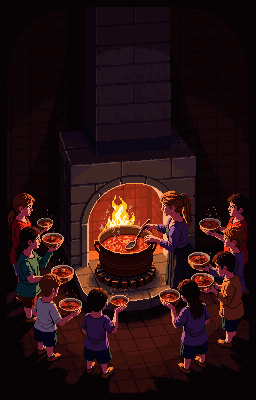
The classical picture is an open mouth, two firm jaw lines holding what is chewed: nourishment depends on what you let in.
The archive (Si) sits in the auxiliary position for ESFJ and ESTJ. Like hexagram 27, the Corners of the Mouth, their daily work is discriminating what truly nourishes an operation from what merely fills it.
Going well: Handled well, the record is consulted before the method is deployed: traditions that feed are kept, the rest are let go, and what is taken in builds the body of the work.
Wall (too much control): Gone rigid, the mouth closes: fastidiousness seals the intake, nothing new is ever admitted, and nourishment stops.
Counterfeit (too little control): Gone slack, discrimination fails: dead precedent is swallowed whole, taken in without the taste that made it stewardship.

The classical picture is wind and thunder increasing each other: two forces that drive each other higher.
Strict definition (Ti) sits in the auxiliary position for ENTP and ESTP. In hexagram 42, Increase, the internal logic decreases its own autonomy to serve and enrich the outward-facing dominant.
Going well: Handled well, the two increase each other: questioning makes engagement productive, internal logic makes speed coherent, and faults get corrected as they go.
Wall (too much control): Gone rigid, the analysis demands autonomy and refuses to serve the dominant. The framework builds detached complexity that enriches nothing, and the two functions diminish each other.
Counterfeit (too little control): Gone slack, the generative reciprocity fails. Engagement runs ahead of any framework, lacking the self-correction needed to cross the great water, and the functions diminish.

The classical picture is thunder repeated on thunder: shock that tests everything, so what is loose comes apart and what is fixed stands.
In hexagram 51, the Arousing, Possibility (Ne) sits in the auxiliary position for INTP and INFP. They seek repeated shocks of new frameworks, using sudden shifts to test their dominant interior process and see what stands.
Doubled: The function's trigram and the position's trigram are the same here, so the pairing comes in pure form. INTP and INFP adapt through repeated shocks; this fearful but creative shaking is their defining cognitive motion.
Going well: Handled well, shock after shock feeds the framework or the conviction: each new possibility is tested for what survives, while the inner center stays steady.
Wall (too much control): Gone rigid, no shock ever enters: the center freezes into doctrine, sealed against revision.
Counterfeit (too little control): Gone slack, the shocks run without the center: reasoning or conviction scatters into mood, arousal with nothing retained.

Sub-auxiliary · ☶ below

The classical picture is a mountain lying under the plain: the tallest thing willingly underneath, modesty as a working position.
Present contact (Se) sits in the sub-auxiliary position for ESFJ and ESTJ. Like a mountain willingly placing itself under the plain, skepticism humbles itself beneath unvarnished reality, reducing over-reliance on the archive (Si) to augment simple acceptance of what is present.
Going well: Handled well, they practice active humbling by checking the room before citing precedent. Their presence willingly takes the lower position, saying less than the archive knows to carry the work.
Understudy (too much control): Walled off, the mountain refuses to emerge from under the plain. Skepticism hardens into isolation, dismissing presence to demand strict obedience to private precedent.
Spill (too little control): Overrun, they abandon modesty and act before consulting precedent. The lower position spills out rather than serving, treating half-read situations as finished assessments and breaking the continuity.

The classical picture is a lake resting in a hollow on the mountain: each shapes the other, and openness is what lets them meet.
Group-feeling (Fe) sits in the sub-auxiliary position for ESFP and ENFP. They use an expressive social face to translate their private conviction (Fi) outward. This creates a receptive space for mutual influence without compromising their firm inner values.
Going well: Handled well, the type achieves reciprocal attraction. They keep a receptive hollow for mutual influence, ensuring that their social openness draws people in while inner conviction stays intact.
Understudy (too much control): The mountain stays full of itself and refuses the lake. The social face never goes on, keeping values hidden and leaving social fluency rehearsed but unused.
Spill (too little control): Gone slack, the register spills: the rehearsed warmth leaks out as though it were the real conviction, half-formed and passed off as proven, and approval replaces the private standard.

The classical picture is heaven withdrawing above the mountain: the strong receding in good order while there is still time to do it well.
Private conviction (Fi) sits in the sub-auxiliary position for ISFJ and INFJ. It authorizes a strategic retreat, allowing them to keep unacceptable demands at a distance with dignified reserve rather than anger.
Going well: Handled well, the step back is taken on time: consent is withdrawn without announcement, the conviction is preserved intact, and the public work returns later with more integrity.
Understudy (too much control): Gone rigid, the strategic retreat turns into hostile isolation. Private conviction becomes a walled fortress, leaving a self-righteous moralist who refuses to risk their perfected ideals in actual practice.
Spill (too little control): Overrun, the necessary withdrawal loses its container. The person spills their private rehearsal into the social field, airing half-formed grievances to a community they should have stepped away from.

The classical picture is water stopped before a mountain: the stream learns its shape from the obstacle it cannot yet pass.
Execution (Te) sits in the sub-auxiliary position for ENTP and ESTP. Under hexagram 39, Obstruction, this function turns analysis into outward action by retreating from blocked paths to mold the character instead of forcing the way forward.
Going well: Handled well, execution deploys when reality demands. Projects are delivered and teams are built because the stream learns its shape from the obstacle, leaving the person capable.
Understudy (too much control): Walled off, the practical arm never deploys. Clever analysis piles up but never reaches the world, like water standing still before the mountain.
Spill (too little control): Overrun, brute execution spills out without analysis. The person lets unrefined material flood the path forward instead of retreating to mold their character, running half-planned initiatives as proven.

The classical picture is mountain upon mountain: stillness that is chosen rather than stuck, rest at the right point.
The archive (Si) sits in the sub-auxiliary position for ISFP and ISTP. Like hexagram 52, Keeping Still, their accumulated physical experience provides a deliberate constraint, anchoring present actions strictly in what is actually known.
Doubled: The function's trigram and the position's trigram are the same here, so the pairing comes in pure form. Like mountain upon mountain, the hands' patient archive provides perfect stillness, steadying ISFP and ISTP through deliberate constraint.
Going well: Handled well, the archive is kept completely quiet. Accumulated practice anchors each new engagement, keeping the back still so the body is not felt.
Understudy (too much control): When rigid, the record stops renewing. Practice repeats without growth, leaving a technically perfect craftsperson with nothing new to say.
Spill (too little control): When slack, the demand for stillness is abandoned. The type cannot keep their back still, allowing the ghosts of past experience to crowd their present engagement.

The classical picture is a tree on the mountain: growth so slow it is hardly seen, and sure because of it.
Strict definition (Ti) sits in the sub-auxiliary position for INTJ and ISTJ. In hexagram 53, Development, they integrate this private framework through a sequence of unhurried, proper steps to support their public organizing work.
Going well: Handled well, each success and defeat gradually deepens the inner model. The growth is so slow it is hardly seen, but their public credibility rests on this expanded interior.
Understudy (too much control): When the proper sequence is skipped, they demand immediate practical utility from the function and discard it.
Spill (too little control): When the formal bounds are neglected, private over-analysis is allowed to grow wild and unchecked, overrunning their outward executive work with half-formed material.

The classical picture is fire on the mountain, the traveler's torch: visible from far away, rooted nowhere for long.
The long reading (Ni) sits in the sub-auxiliary position for INTP and INFP. Like hexagram 56, the Wanderer, it acts as a temporary guest passing through, offering brief insights without demanding permanent residence.
Going well: Handled well, the type accepts these converging insights as passing gifts. The long reading provides brief clarifying light, and success comes through smallness by avoiding permanent doctrines.
Understudy (too much control): When neglected, the type treats this stranger with hostility. The clarifying visits of the long reading are banished entirely, leaving their exploration without any sudden focus.
Spill (too little control): Overrun, the wanderer forgets its place and gives itself airs. The tentative insights of the long reading are carelessly broadcast as finished truths, flooding their exploration with unrefined material.

The classical picture is thunder passing over the mountain, a bird flying too high: small crossings succeed where great ones would fail.
Possibility (Ne) sits in the sub-auxiliary position for ENTJ and ENFJ. Following hexagram 62, Preponderance of the Small, they generate modest lateral options to support their focused strategic work without striving upward.
Going well: Handled well, small tangents enrich the main line without disrupting it. The flying bird remains below, meaning adjacent options are checked carefully and small tasks are managed well.
Understudy (too much control): Walled off, no modest lateral option ever enters. The focus strives upward and narrows until it cannot adapt.
Spill (too little control): Overrun, the bird flies too high. Half-formed tangents become active initiatives, and the strategy fragments.

Inspiring · ☴ below

The classical picture is wind blowing low on the mountain, stirring what neglect let spoil: decay that can be repaired because someone finally attends to it.
In hexagram 18, Work on What Has Been Spoiled, the archive (Si) sits in the inspiring position for INTP and INFP. They feel called to remedy the decay their branching interests leave behind, requiring patient deliberation to make the repair hold.
Going well: Handled well, the call is answered with patient deliberation. They observe the source of the decay before acting, ensuring the repair of neglected habits is thorough and lasting.
Estrangement (too much control): Refused, the call is admired from a distance and never answered. Stagnation remains unstirred, and decay deepens because they avoid the deliberate work of repair.
the Loop (too little control): Fused inward, the wind dies and the mountain hardens into rigid conservatism. Possibility itself is treated as a threat, and maintenance turns into a private routine.

The classical picture is a lake risen over the treetops while a ridgepole sags at its center: a load too great for the beam under it.
In hexagram 28, Preponderance of the Great, group-feeling (Fe) sits in the inspiring position for ENTP and ESTP. The motivation to commit to a shared cause is a weight greater than their logical analysis can bear alone, and answering it takes them past their usual bounds.
Going well: Handled well, the call is received as something worth arguing for rather than against. The beam holds because the work finally has somewhere to go.
Estrangement (too much control): Refused, the call is dismissed as sentimental excess: the person stays within ordinary measure, and the beam is never asked to carry anything.
the Loop (too little control): Fused inward, the call becomes a self-authored mission: public roles are performed on a base that cannot bear them, and the ridgepole breaks.

The classical picture is thunder and wind moving together: motion that lasts because the two keep pace with each other.
Possibility (Ne) sits in the inspiring position for ESFJ and ESTJ. In hexagram 32, Duration, they learn that true stability is not absolute rest but self-renewing movement, using fresh perspectives to help their cherished structures adapt and endure.
Going well: Handled well, the call is answered with one opened branch that endures: the household's next form, the operation's next line, planted once and sustained. Duration is movement kept in one direction.
Estrangement (too much control): If refused, the tested order becomes a state of absolute rest rather than sustained movement, and it slowly stops fitting the world.
the Loop (too little control): Fused inward, the call becomes self-authored novelty: every week a fresh initiative, and duration collapses into churn.

The classical picture is wind rising under heaven, the unexpected guest coming from below: a small thing that must be met correctly because it will not stay small.
Private conviction (Fi) sits in the inspiring position for INTJ and ISTJ in hexagram 44, Coming to Meet. The encounter with personal value approaches from below as an unexpected guest, emerging outside their executive control.
Going well: Handled well, the call is met but not married. Like wind beneath heaven disseminating commands, personal values become a steady guide under outward work, honored without surrendering operational discipline.
Estrangement (too much control): If the unexpected guest is refused, the meeting never happens. The career ends accomplished but unrelated to anything they cared about.
the Loop (too little control): The unexpected guest is married rather than merely met. Private grievance becomes the mission, and strategy turns into vendetta.

The classical picture is wood growing up through the earth: ascent by steady growth rather than force.
Present contact (Se) sits in the inspiring position for ENTJ and ENFJ. In hexagram 46, Pushing Upward, the drive to engage with the present moment emerges outside their long-view mode as a slow, steady ascent they admire but do not natively possess.
Going well: Handled well, the long arc touches ground daily: small embodied engagements pile up until the vision stands in the actual world.
Estrangement (too much control): When refused, the strategy is never applied. The insight remains a hidden seed that never pushes upward into the present moment.
the Loop (too little control): Overrun, present sensation is claimed as primary footing. The long arc is abandoned to force the ascent, yanking the tree from the earth.

The classical picture is a bucket lowered into a deep well: the town changes and the well does not, but someone must still maintain the rope.
Execution (Te) sits in the inspiring position for ESFP and ENFP. Like hexagram 48, The Well, they must draw from the constant, shared water of objective structure rather than relying solely on personal conviction.
Going well: Handled well, the call is received: the cause becomes a campaign, the conviction becomes a project, and informal generosity becomes a structure others can rely on. The well is constant; someone still has to build the bucket.
Estrangement (too much control): When refused, conviction builds no practical structure. There is water but no rope.
the Loop (too little control): When overextended, they try to possess the well to force outcomes. The apparatus shatters because an impersonal standard is wielded as a personal weapon.
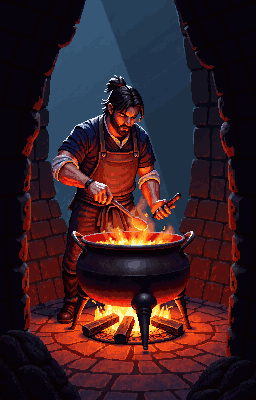
The classical picture is fire fed by wood under a cauldron: slow cooking in a vessel that holds, nourishment made from raw material.
The long reading (Ni) sits in the inspiring position for ISFP and ISTP. In hexagram 50, The Cauldron, this function acts as the ritual vessel that slowly transforms their raw practical actions into a lasting offering, providing a larger purpose they admire but do not natively possess.
Going well: Handled well, the daily practice settles into the vessel where transformation cooks. The raw material of their work is slowly heated into a lasting offering the maker may not fully see.
Estrangement (too much control): Refused, the work stays technically excellent but lacks the vessel of transformation, never cooking into a body of meaning.
the Loop (too little control): Fused inward, the vision replaces the work: the present piece is abandoned for an arc the hands cannot yet execute, and the vessel breaks before the meal cooks.

The classical picture is wind following wind: the gentle influence that reaches everywhere precisely by never announcing itself.
Strict definition (Ti) sits in the inspiring position for ISFJ and INFJ. As in hexagram 57, The Gentle, a gentle, persistent pull toward logical consistency gradually penetrates their focus on group harmony.
Doubled: The function's trigram and the position's trigram are the same here, so the pairing comes in pure form. Like wind following wind, an unspoken check for coherence repeatedly penetrates the cognition of the ISFJ and INFJ, producing gradual and inconspicuous effects.
Going well: Handled well, teaching and care are shaped by an unspoken discipline testing whether an insight holds across every known case. This quiet logic repeatedly penetrates their work, achieving success through what is small.
Estrangement (too much control): Refused, the gentle influence fails to penetrate: care is clamped shut, teaching hardens into rigid routine, and defensive performance replaces steady consistency.
the Loop (too little control): Fused inward, the influence becomes an act of violation: living relationship-work is sacrificed to doctrinal purity, abandoning gentle penetration.

Nemesis · ☱ below

The classical picture is a person treading on a tiger's tail and not being bitten: dangerous ground crossed by careful bearing rather than force.
Private conviction (Fi) sits in the nemesis position for ENTP and ESTP. Their recurring temptation is moral self-exemption, but this unyielding inner mandate acts as a dangerous beast. They must rely on their analytical framework to tread behind this feeling with impeccable conduct, surviving the encounter without provoking a bite.
Going well: Handled well, the moralizing pull is recognized and stepped past without a fight: what they personally feel stays distinct from what is actually correct, and careful conduct keeps the tiger from biting.
Feud (too much control): Suppressed too hard, the feeling runs the show from underneath. Arrogantly stepping on the tiger's tail provokes the beast to bite, allowing private outrage to devour their analytical framework.
Indulgence (too little control): Indulged, the tiger bites: private outrage replaces clear thought, and personal grievance starts choosing the tactics.

The classical picture is the earth shore leaning down toward the lake: something large approaching slowly, which must be met before it comes in force.
In hexagram 19, Approach, present contact (Se) sits in the nemesis position for INTP and INFP. Raw bodily immediacy slowly moves in to disrupt their conceptual and value work, presenting a time-bounded temptation disguised as groundedness.
Going well: Handled well, approaching physical impulses are met with an inexhaustible will to teach. Bodily needs are tended and educated rather than obeyed, acknowledged without derailing the day.
Feud (too much control): Starved on principle, the body turns hostile: disembodiment is defended as rigor, and the ignored season turns anyway, physical need forcing its way in.
Indulgence (too little control): Indulged, the approaching sensory escape expands unchecked. Without firm boundaries, bingeing completely overruns the harder conceptual and value work.

The classical picture is fire rising while the lake sinks: two courses that stay opposed, and can stay productive if neither wins.
The long reading (Ni) sits in the nemesis position for ESFJ and ESTJ. In hexagram 38, Opposition, a grand vision moves opposite to their tested methods, creating a tension that should never be unified.
Going well: Handled well, the opposition is managed rather than fought: the person accepts the pull, takes small adjustments from it, and holds the tested line without rejecting foresight.
Feud (too much control): When productive opposition is rejected entirely, foresight itself becomes the enemy. No future sense is admitted even in small matters, and the practice ossifies.
Indulgence (too little control): Indulged, the necessary opposition is collapsed. The operation is staked on a dream, and tested practice is abandoned to merge completely with a grand vision.

The classical picture is the lake giving up water to feed the mountain above it: voluntary decrease, offered in the right measure.
The archive (Si) sits in the nemesis position for ENTJ and ENFJ. In hexagram 41, Decrease, relying on precedent is their recurring temptation, draining the lake of their vision to feed the mountain of past methods.
Going well: Handled well, precedent is managed through intentional reduction. The personality offers the two small bowls as a minimal but sincere tribute, paying just enough attention to tested practice to satisfy the claim.
Feud (too much control): Fought on principle, the minimal tribute of two small bowls is refused. The personality denies any voluntary decrease for physical upkeep or precedent, forcing the nemesis to extract its toll through burnout.
Indulgence (too little control): Indulged, the lake of vision is drained completely. The temptation wins and the vision shrinks to precedent.

The classical picture is thunder stirring the lake's surface without reaching its depth: agitation that excites and does not transform.
Possibility (Ne) sits in the nemesis position for ISFP and ISTP. Like the premature union of hexagram 54, the Marrying Maiden, they are tempted by hypothetical breakthroughs that agitate the surface but distract them from their enduring practical work.
Going well: Handled well, each new possibility is recognized as an encroaching voice without legitimate standing. These hypothetical directions are measured against what endures, ensuring that real footing and practical work keep priority.
Feud (too much control): When fought on principle, transitory agitation becomes the enemy. The person refuses any new union of ideas, creating a rigidity that secretly feeds the itch for premature transformation.
Indulgence (too little control): When indulged, the premature union takes over. Current craft is abandoned for the next teacher's secret, and enduring work is left unfinished for a transitory breakthrough that brings misfortune.

The classical picture is lake joined to lake: pleasure that grows by being shared, joy passing from one body of water to the next.
Group-feeling (Fe) sits in the nemesis position for INTJ and ISTJ. Their recurring temptation is shared warmth and easy agreement, the joy that spreads from person to person, which they rarely admit and never fully trust.
Doubled: The function's trigram and the position's trigram are the same here, presenting hexagram 58, the Joyous, in pure form. The pull toward approval flows like lake upon lake for INTJ and ISTJ, which is exactly why their guard against this spreading joy runs so deep.
Going well: Handled well, the table is visited and left. Social warmth gets its proper place without governing the judgment. The joy of joined lakes is real, but they maintain firmness within while allowing gentleness without.
Feud (too much control): Fought too hard, the spreading joy of the lake is repelled. Coldness gets mistaken for firmness within, and the refusal of gentleness without feeds the hunger it denies.
Indulgence (too little control): Indulged, the craving wins. The long work is traded for being well liked, dissolved into the spreading joy of the lake.

The classical picture is water held by the lake's banks, bamboo growing by its joints: limits that make growth sustainable.
Execution (Te) sits in the nemesis position for ISFJ and INFJ, appearing as hexagram 60, Limitation. They experience objective metrics as a hostile encroachment and must learn to limit the limitation itself, ensuring that strict measures do not strangle their relational warmth.
Going well: Handled well, the pull gets a bounded role, a joint rather than a replacement: teaching cut into segments students can take in, care set into routines the community can sustain.
Feud (too much control): Fought on principle, the pull toward measurement is clamped down on: no metric is admitted anywhere, and the work spreads without joints until it cannot be sustained.
Indulgence (too little control): Indulged, execution is handed the keys: the minister becomes a logistician, and the care becomes a checklist with no feeling in it.

The classical picture is wind over the lake: the surface moved from a distance, the center kept open enough for truth to pass through.
Strict definition (Ti) sits in the nemesis position for ESFP and ENFP. The demand for logical consistency challenges private conviction, tempting them to issue harsh judgments instead of keeping the center open as in hexagram 61, Inner Truth.
Going well: Handled well, the discipline is borrowed to delay harsh judgments: the conviction gets tested by hard questions while final authority stays with an open, sincere center.
Feud (too much control): Fought on principle, the center closes and logic becomes an executioner, replacing innermost sincerity with rigid rationalization.
Indulgence (too little control): Indulged, the center is overrun by unchecked logical proofs, dissolving inner truth into a flood of endless argument.

Primitive · ☷ below

The classical picture is pure open ground and a mare who follows the terrain rather than cutting through it: strength that works by receiving.
Present contact (Se) sits in the primitive position for INTJ and INFJ. It is the faculty they take most for granted: the given world their vision must learn to follow. The long-term reading tries to lead, while what the day actually offers goes unattended.
Doubled: The function's trigram and the position's trigram are the same here, so the pairing comes in pure form. Where the doubled pairing at the Nemesis (hexagram 58, the Joyous) is the purest temptation, this is the purest invitation: the deepest surrender available to the two vision-led types, the given world asking only to be received.
Going well: Handled well, usually late in life, they finally turn toward the body instead of escaping it: they learn to follow what the day gives rather than command it, and physical routine becomes a steady floor under decades of foresight.
Exile (too much control): When walled off, they refuse to receive at all: decades pass in pure foresight, direction imposed on a body never consulted, with no contact with everyday surroundings.
the Grip (too little control): Under stress the neglected faculty erupts: food or sensation binges, sudden physical risks. By trying to lead present contact (Se) rather than receive it, they go astray in clumsy collisions with reality, and the body is shut out again.

The classical picture is water settling onto earth and finding its level around a center: scattered things drawn into practical union.
Execution (Te) sits in the primitive position for ISFP and INFP. Like water settling onto earth in hexagram 8, Holding Together, budgets provide the practical union their convictions need but resist. Prioritizing internal values, they can delay this gathering and leave external goals unexecuted for years.
Going well: Handled well, usually later in life, the practical arm is finally accepted and scattered efforts are drawn into union. The cause becomes organized, and operational discipline finds its proper resting place under the conviction.
Exile (too much control): Walled off, the practical order is never admitted and scattered efforts fail to group. The conviction stays operationally orphaned, missing the gathering entirely with nothing built to share.
the Grip (too little control): Under stress, the neglected executive turns harsh and dictatorial, forcing a coerced grouping that contradicts the values it serves. This false union quickly dissolves, and the practical order is shut out again.

The classical picture is heaven and earth pulled apart, no longer meeting: two realms in their proper places and out of contact, the standstill.
Private conviction (Fi) sits in the primitive position for ENTJ and ESTJ. Like heaven and earth pulling apart in hexagram 12, Standstill, their personal values and operational efficiency often fail to meet, leaving a widening gap between inner worth and outward accomplishment.
Going well: Handled well, usually late in the career, they fall back upon their inner worth to bridge the standstill. Private conviction begins to steer public command, and what they care about finally meets what works.
Exile (too much control): In a total standstill, the career ends flawlessly executed but completely divided from their inner worth, leaving the structure intact but the flow stopped.
the Grip (too little control): Under stress the widening gap cannot be maintained, and neglected conviction erupts as clumsy public moralizing. This forced meeting wrecks the operational order it normally trails silently behind.

The classical picture is thunder breaking out of the earth in early summer: stored energy finally allowed to move, and music made from it.
Possibility (Ne) sits in the primitive position for ISFJ and ISTJ. Like thunder stored underground in hexagram 16, Enthusiasm, their established routines exclude the untried, causing unexpressed energy to build up until it bursts forth.
Going well: Handled well, the buried energy emerges at the right time to be channeled into action. The individual installs helpers and sets projects marching, allowing possibility to bloom rather than remaining suppressed.
Exile (too much control): Walled off, the stored energy never breaks ground. Enthusiasm remains buried in the earth while routine calcifies around them, preventing new possibilities from emerging.
the Grip (too little control): Under stress, the buried energy erupts as uncontained excitement rather than focused readiness. Precedent is abandoned for scattered novelties in one sudden burst, dissipating the enthusiasm before it can be channeled.

The classical picture is wind traveling over the earth: a survey that sees everything and touches none of it.
Strict definition (Ti) sits in the primitive position for ESFJ and ENFJ. The capacity to survey the landscape from above without interfering is the faculty their focus on people leaves unattended, remaining ignored while they manage group dynamics.
Going well: Handled well, usually late, that distance becomes deliberate. The host holds the tension of the unmade offering, observing quietly and leaving a disharmony unrepaired to teach something.
Exile (too much control): Walled off, the stillness of contemplation is intolerable. The type compulsively makes offerings to appease the group feeling, unable to step back and survey the landscape.
the Grip (too little control): Under stress the buried analysis erupts as a harsh wind in the very circle the type tends. This alienating gaze surveys without sympathy, then recedes and is shut out again.

The classical picture is a mountain eroding onto the plain, layer after layer stripped away: a necessary collapse that precedes the turn.
The archive (Si) sits in the primitive position for ENTP and ENFP. Like an eroding mountain, physical health, daily routines, and personal history are slowly stripped away while the person avoids them, until the decline forces a withdrawal.
Going well: Handled well, the person accepts the season of stripping and gives generously to their physical foundation, letting unnecessary distractions fall away until recovery begins.
Exile (too much control): When the stripping is refused, movement compounds the loss until physical erosion forces a complete halt.
the Grip (too little control): When overrun, the erosion brings sudden panic and eruptive distress, causing health anxiety, obsessive nostalgia, and terror of the body splitting apart.

The classical picture is the sun rising over the earth: light that comes up from below, late but real.
The long reading (Ni) sits in the primitive position for ESFP and ESTP. Like a sun waiting beneath the earth, their focus on the present leaves long-term consequences unattended. Hexagram 35, Progress, counsels them to actively brighten this buried light, clarifying vague hunches rather than ignoring where situations are heading.
Going well: Handled well, usually late in life, individual moments reveal a direction. Like the sun rising over the earth, years of direct engagement prove to have had a shape, and the long view finally ascends.
Exile (too much control): Walled off, the long view never emerges. The sun never rises, and moments pass without building accumulated light, leaving vague regrets that cannot be put into words.
the Grip (too little control): Under stress, primitive foresight erupts darkly. Instead of bright clarity, one doom-laden prediction is clung to with total certainty, becoming a false light that burns rather than illuminates until the pressure passes.

The classical picture is the lake gathering over the field: scattered waters collecting into one body.
Group-feeling (Fe) sits in the primitive position for INTP and ISTP. Like scattered waters waiting to collect into one body, communal life and ritual assembly are faculties their private logic leaves undeveloped for years.
Going well: Handled well, the gathering is accepted and rituals are attended, offering something that needs no translation into private logic while keeping internal clarity ready to meet the unforeseen.
Exile (too much control): When walled off, they refuse the ritual assembly. The analyst ends the work alone, never allowing the scattered elements to collect into a shared belonging.
the Grip (too little control): Under stress the neglected warmth breaches its banks, overwhelming them with the unforeseen emotional demands of the group and forcing a clumsy, theatrical belonging that violates their own code.

Catalyst · ☵ below

The classical picture is a spring at the foot of a mountain and a pupil who may ask the teacher once: a lesson that must be received sincerely or not at all.
The archive (Si) sits in the catalyst position for INTJ and INFJ. Basic maintenance like sleep and daily schedules waits like a teacher in hexagram 4, Youthful Folly, returning as a crisis until the young fool asks a sincere question.
Going well: Handled well, the ego approaches the body with a single sincere question about what is required. The teacher answers at the first asking, and fever and missed sleep become lessons completed.
Starvation (too much control): Refused, the young fool ignores the waiting teacher entirely. The body is overridden until it imposes instruction by force, and the capacity never develops.
the Churn (too little control): Overrun, the ego falls into importunity, asking two or three times through health anxiety. Because the tension is never held, the teacher gives no answer, and each fever remains a fresh emergency.

The classical picture is heaven rising while water falls away under it: two courses that genuinely cannot meet, managed rather than won.
Private conviction (Fi) sits in the catalyst position for INTP and ISTP. Like heaven rising while water falls, their internal feelings reject a conclusion their logic has proven, creating a structural opposition that cannot be resolved by forcing a victory.
Going well: Handled well, the conflict is treated as structural: some value-claims cannot be reasoned away. The mature move is outside counsel and a negotiated halt, not total victory for either side.
Starvation (too much control): When rigid, they force the conflict through to a total logical victory, dismissing the felt verdict until their values wither.
the Churn (too little control): Overrun, the conflict never closes: self-litigation is endless, every return brings a fresh crisis of conscience, and no ruling is ever kept.

The classical picture is water hidden within earth, an army concealed in the common people: scattered strength that becomes real force only under one clear command.
Present contact (Se) sits in the catalyst position for ENTP and ENFP. They prefer to keep their options open, but circumstances periodically force them to marshal their scattered possibilities into a single disciplined force and engage the immediate physical reality.
Going well: Handled well, possibilities are marshaled when the moment demands it: stop debating, book the venue, show up in person. Discipline turns scattered effort into coordinated action.
Starvation (too much control): Refused, the scattered multitude of possibilities is left without a strong leader, meaning the hidden army never forms and the season for physical action passes.
the Churn (too little control): Overrun, the hidden army of physical reactivity mutinies against the conscious mind, lurching impulsively into the present without the discipline of a single clear command.

The classical picture is water flowing through gorge after gorge: repeated danger crossed by keeping your own nature through every one.
Execution (Te) sits in the catalyst position for ESFJ and ENFJ. Like water flowing through gorge after gorge, every few years they face a hard operational decision, such as a budget cut or a firing, that their interpersonal warmth cannot resolve and that they must pass through with sincerity.
Doubled: The function's trigram and the position's trigram are the same here, so the pairing comes in pure form: the recurring trial at its most concentrated. For ESFJ and ENFJ this is the deepest gorge among the sixteen types, and it teaches only by being faced repeatedly.
Going well: Handled well, each hard call is another gorge passed with sincerity intact: the cut made without theater, cold practicality admitted when the cause requires it.
Starvation (too much control): When refused, the type shrinks from the plunge, trying to bridge operational chasms with social warmth until unmet demands drown them.
the Churn (too little control): When overrun, the type falls into the deep and forgets their nature, turning into a harsh executor who abandons heart for surface control.

The classical picture is thunder and rain breaking a long drought: held tension suddenly released, and the release must be used.
In hexagram 40, Deliverance, possibility (Ne) sits in the catalyst position for ESFP and ESTP. Like rain breaking a drought, life demands they imagine an alternative to release the tension of acting only on what is in front of them.
Going well: Handled well, the sudden discharge of tension brings relief. The person considers alternatives before committing, pardons previous errors, and uses the sudden release to leave stuck patterns behind.
Starvation (too much control): Refused, the tension never breaks. The unexpected opening is declined, past grievances are held onto instead of pardoned, and life locks into the immediate present.
the Churn (too little control): When overrun, the sudden release of tension brings no relief. Alternatives multiply into endless distraction, instinct loses its footing, and the person fails to conserve what was gained.

The classical picture is a lake with no water in it: the form remains through exhaustion and must still hold.
Group-feeling (Fe) sits in the catalyst position for ENTJ and ESTJ. Like a dry lake whose form must hold, the demand for communal feeling, morale, and empathy returns as a trial of exhaustion that operational competence cannot satisfy.
Going well: Handled well, the individual stakes their life on following their will, serving the group through resolute action and accepting that their words of warmth are not believed.
Starvation (too much control): Refused, the dry lake is abandoned; relational demands are declined outright, producing a career of correct execution with no warmth.
the Churn (too little control): Overrun, exhaustion is masked by performance; because words are not believed, forced warmth under stress alienates everyone and teaches nothing.

The classical picture is wind driving over water: the ice breaking up so what was frozen can flow again.
In hexagram 59, Dispersion, strict definition (Ti) sits in the catalyst position for ISFP and INFP. They face a demand for logical consistency that breaks up the frozen rigidity of their personal values.
Going well: Handled well, the conviction is cross-examined and complacent self-agreement dissolves like ice breaking up, allowing the value-life to flow into precise form.
Starvation (too much control): Refused, the hard question is never admitted: the conviction stays frozen and untested, dammed up in rigid self-agreement.
the Churn (too little control): Overrun, harsh logic erupts under stress and scatters the vital energies: this destructive dispersion alienates others and wrecks the relationships the values once sustained.

The classical picture is fire over water, not yet mingled: the book's last hexagram, which says the way continues past every ending.
The long reading (Ni) sits in the catalyst position for ISFJ and ISTJ. Every few years the same threshold returns: the sense that the work is not yet finished and the way continues, disrupting a life built on things being properly settled.
Going well: When handled well, transitions are sensed in time: succession begins before the precedent fails, retirement is timed by the arc rather than the calendar, and careful differentiation ensures each thing finds its place before the change comes.
Starvation (too much control): When refused, everything is declared finished early: the order freezes just short of completion, and the work never crosses over.
the Churn (too little control): Overrun, the steady keeper turns into a prophet of doom. The fox gets its tail in the water right at the crossing, and careful order drowns in the certainty of collapse.